Childhood Madness: Compassionate Portraits of Children in Canadian Insane Asylums, 1900-1930
By Kira A. Smith
Between 1900 and 1930, kids across Canada entered insane asylums designed for adults. Care was rarely offered. Children were subject to incarceration, eugenics, and institutional abuse. Asylum environments were often scary for children.
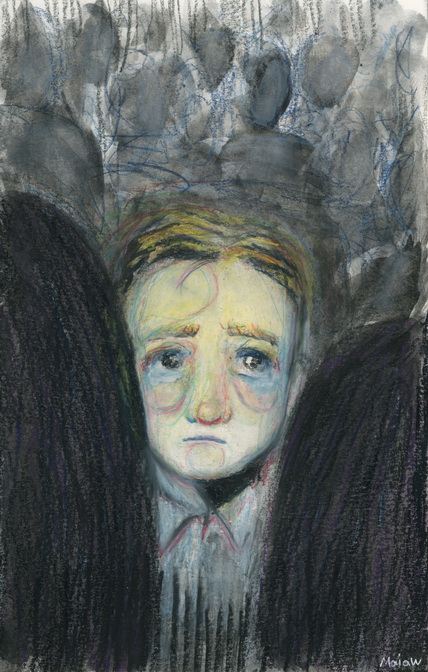
The experiences of children are at the heart of this exhibit. Six stories reveal how care was influenced by the socio-political context.
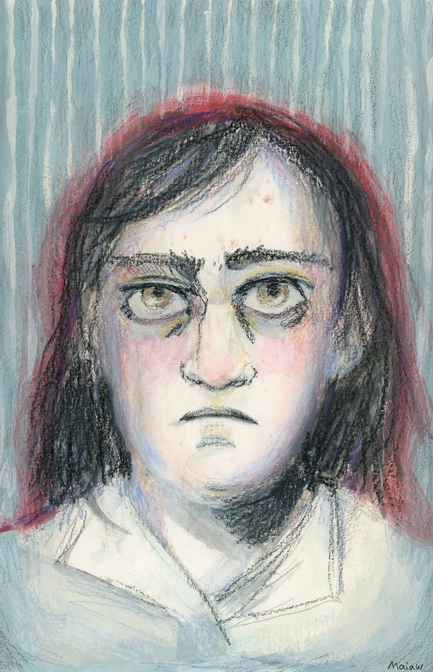
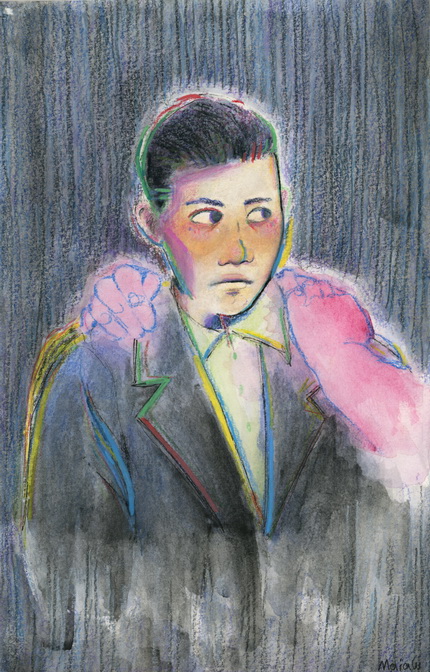
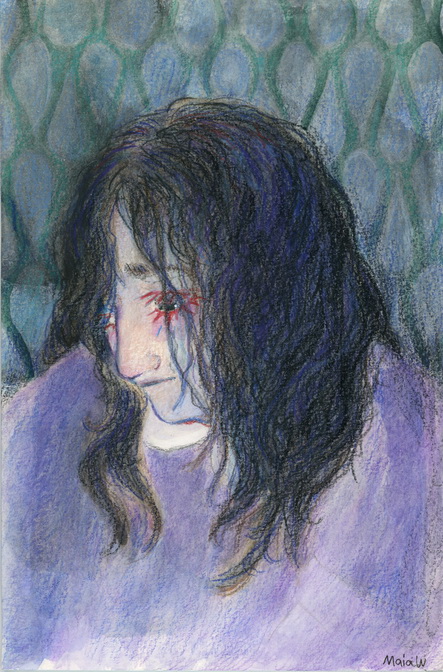
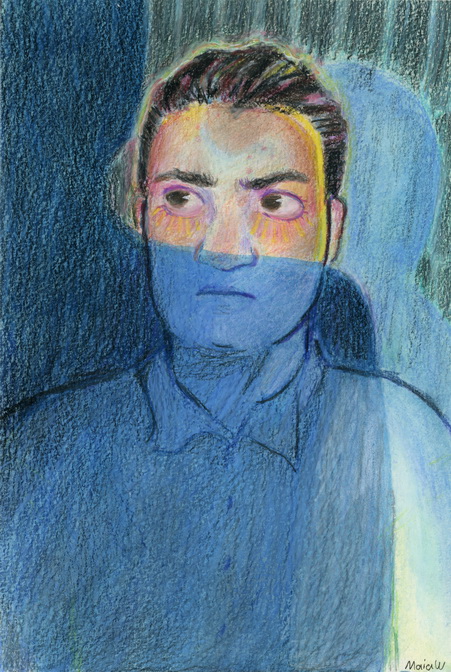
Children’s experiences are often lost to time and absent from medical archives. However, through portraits, fictional vignettes, and contextual information their experiences come to light. The inclusion of art into this history is a new approach that seeks to better understand children and care.
Asylums in Context
Children in psychiatric settings were subject to removal from society. Their removal was often prompted due to unwanted behaviours, or poor family backgrounds. This included illegitimate and orphaned children. Behaviours or backgrounds that were deemed abnormal were part of discourses on eugenics and disability. As a result, psychiatric care was informed by existing systems of power.
For example, children were subjected to eugenic pseudo-science that used visual descriptions and body measurements as signs of ‘degeneracy.’ Stanislav admitted to the Brandon Asylum in 1927, was subject to a physical exam that recorded these results. At thirteen, doctors concluded he was feebleminded. Stanislav’s poverty and diagnosis marked him as suitable for permanent incarceration. Six months after his admission, Stanislav was discharged to the Old Folks Home in Portage la Prairie.
Colonialism is the bedrock of Canadian state development. This includes the creation and development of psychiatric care. The creation of asylums was part of land theft, and the erasure of Indigenous knowledges.
For Indigenous children, asylums served as a site of incarceration and genocide. Fifteen-year-old John was admitted to New Westminster Insane Asylum in 1914. Previously, he was incarcerated at an Indian Residential School. John spent the remainder of his life institutionalized.
Decades after his burial, his headstone was removed. The desecration of gravesites reflected the experiences of dehumanization of Indigenous and mad people, and the pattern of burying children in unmarked graves.
The social location of children changed how they were pathologized. Many children were excluded from the universal category of childhood, which afforded some children protection. For disabled and racialized children, they were not given the same value. Universal childhood was constructed with ability, class, gender, sexuality, and race in mind.
In 1907, Ella was admitted to New Westminster at the age of fourteen. She was treated with racist fueled indifference. White supremacy meant that Ella’s blackness disqualified her from the universal category of childhood. Her construction as violent and hysterical should be read skeptically. Ella’s accusations of violence from staff were readily dismissed, and she was deported not following proper legal procedure. Ella was afforded little care.
Each of these themes reminds us that the history of mental health care reflects contemporary culture and politics. For children who were disabled and poor, they were often excluded from the category of childhood innocence. Those deemed mad were further marginalized from the category of childhood. As such, access to care varied.
Locating Canadian Mad Houses
The nineteenth and twentieth century brought on a wave of politicians and professionals advocating for the creation of asylums across Canada. This map provides the origin stories for the several Canadian asylums. It also details the institutions relationship to settler colonialism.
Children’s Experiences