
Rivka, Toronto Asylum, 1929
Age 14
Admission dates: March 1929 to June 1929
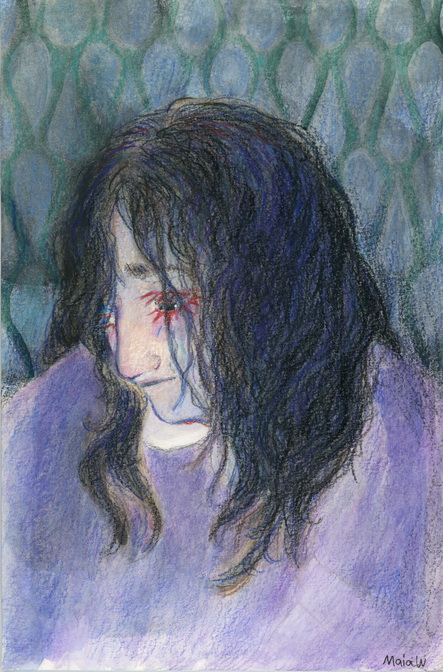
Rivka tried to explain what happened to her. She needed someone other than her older brother to listen. Yet, her parents accounts were prioritized on her admission. A few days later, Rivka mustered all her courage and pushed her thick black hair out of her face. She had to correct the record. As she spoke to a fair-haired nurse, she turned her head to the right and obscured her mouth with her hand. She hoped her story would compel the nurse to release her.
Rivka described her love of school—the rows of desks, the feel of pencil on the paper, and the smell of books. Rivka was most inspired when her teacher spoke about music. As she grew older, the same classroom turned on her. The teacher she loved, left. The other girls noticed that her clothes were looser, and her body was changing. They whispered words like ugly jew and fat when she bent over her desk. They giggled when she walked by, and they pinched the skin at her waist. Rivka found cruel notes folded in her desk calling her pig or whale. In the school yard, their fingers pointed, and their laughs grew.
Rivka began to cry more than she learned. She hid her face in her sleeves so they would not see her tears, she would leave class to stay hidden in the corner of the bathroom, and she would yell at passersby to stop looking at her. Her teachers said she was making trouble, that she was too quiet in class, too disruptive in the hallways, and too weepy for a girl her age. They told her parents she must be corrected before she caused more problems for the class. At home, Rivka would crawl into bed and bury her face in her pillow. Her mother scolded her to stop crying so much, but her older brother listened. He did not say much, but his hand on her shoulder told her he understood when no one else did.
Invalidation through Pathology
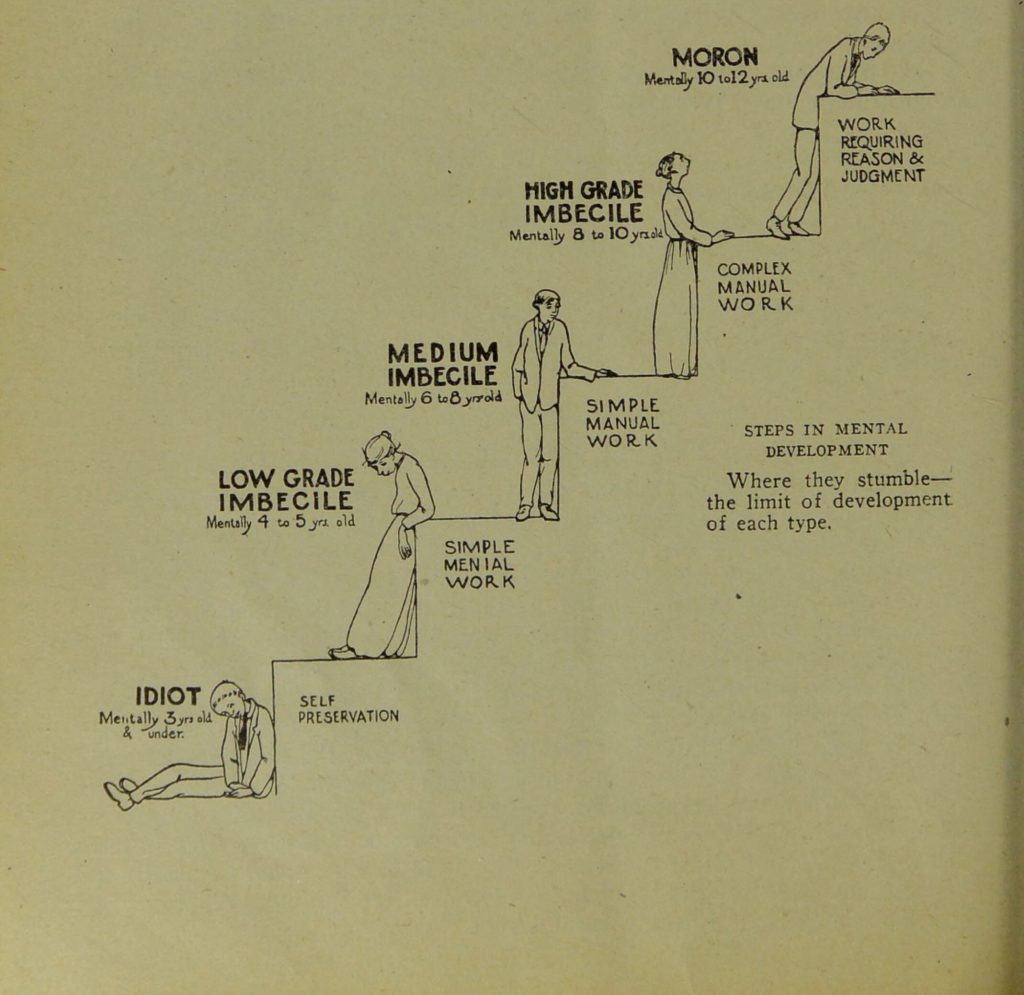
Rivka was understood through two key categories that invalidated her perspectives on her own emotional wellbeing. First, she was subject to an Intelligence Quotient (IQ) test that resulted in the discussion of Rivka being feebleminded. This category developed as part of the eugenic movement to identify social and moral ‘degeneracy.’ Feeblemindedness and the related categories were considered uncurable. Treatment favoured institutionalization and segregation as a form of passive eugenics.
The second was dementia praecox, which was popularized by German psychiatrist Emil Kraepelin. Within Canadian institutions, this label carried a heavy weight, once applied, it often meant the patient was seen as incurable, fit only for long-term confinement. There were no cures, only efforts to manage the symptoms. For Rivka, this meant that rather being understood as a young girl responding to bullying and trauma, she was interpreted through the narrow lens of pathology. Her withdrawal, her silences, her habits of hiding and crying were taken as symptoms of inevitable deterioration.
Hydrotherapy: Restraint or Cure?
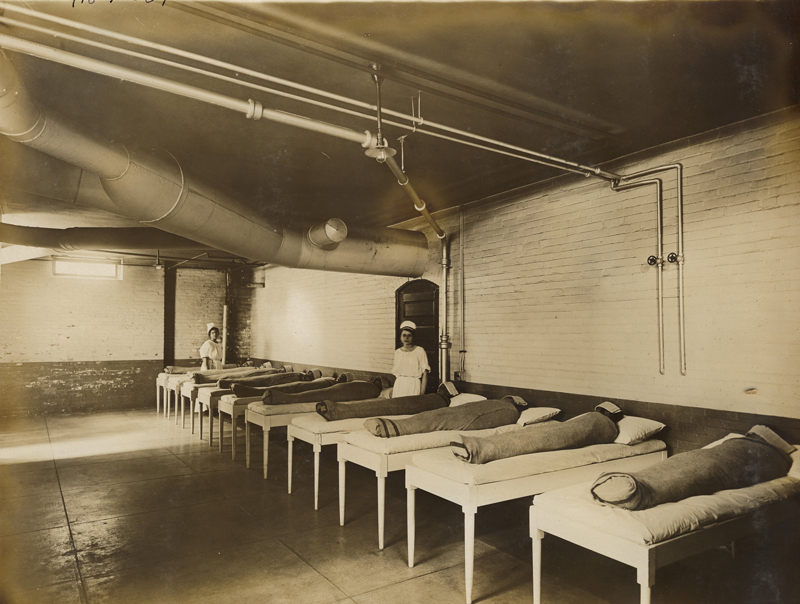
A common treatment used in Canadian asylums was hydrotherapy. For Rivka, she was subject to dry packs. These were wet sheets or towels that she was then wrapped in. Patients would be placed in dry packs, or more commonly bathtubs, for hours at a time. The temperature of the water varied depending on the clinical purpose. However, while physicians claimed the treatment calmed agitation by slowing circulation and quieting the mind, cold applications were frequently used as a punitive measure.
Dry packs and bathtubs with a canvas cover also functioned as a form of restraint. They immobilized patients. Some individuals endured extreme discomfort, distress, and even physical harm, yet these methods were framed as modern and humane alternatives to mechanical restraints. Hydrotherapy reflects how medical authority and institutional practice are combined to control and dominate patients. Order was prioritized over care, which shaped the daily experiences of children in asylums.
Anti-Semitism
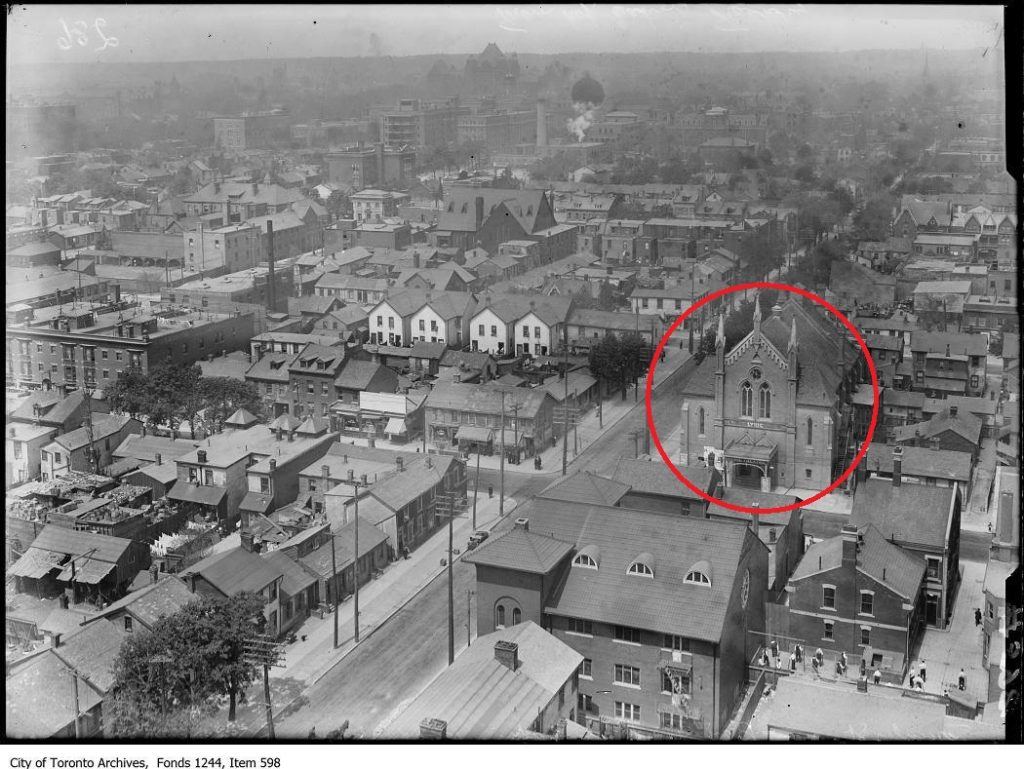
Rivka’s family lived just west of the neighbourhood known as the Ward. Their ten-room home was well furnished and clean. Her father, who came to Toronto twenty years prior, worked as an owner of a well-paying cartage. He came to Toronto as the city saw an influx of Eastern European Jews between 1881 and 1900, and Jewish immigration only continued increase in the first decade of the twentieth century. By 1911, the Jewish population was more than 18,000 and they made up a large portion of the Ward.
Jewish people in Toronto faced less severe antisemitism but were still subjected to discrimination. Antisemitic rhetoric was part of scientific racism that perceived differences based on Aryan and Semitic languages. Jewish people were constructed as rootless wanders unlike Anglo-Saxons who were rooted cultivators. Despite this, Jewish people remained 5-6 times more likely to access hospital services. Rivka’s parents likely felt the Toronto Asylum would offer a place for cure.