
Nova Scotia Hospital
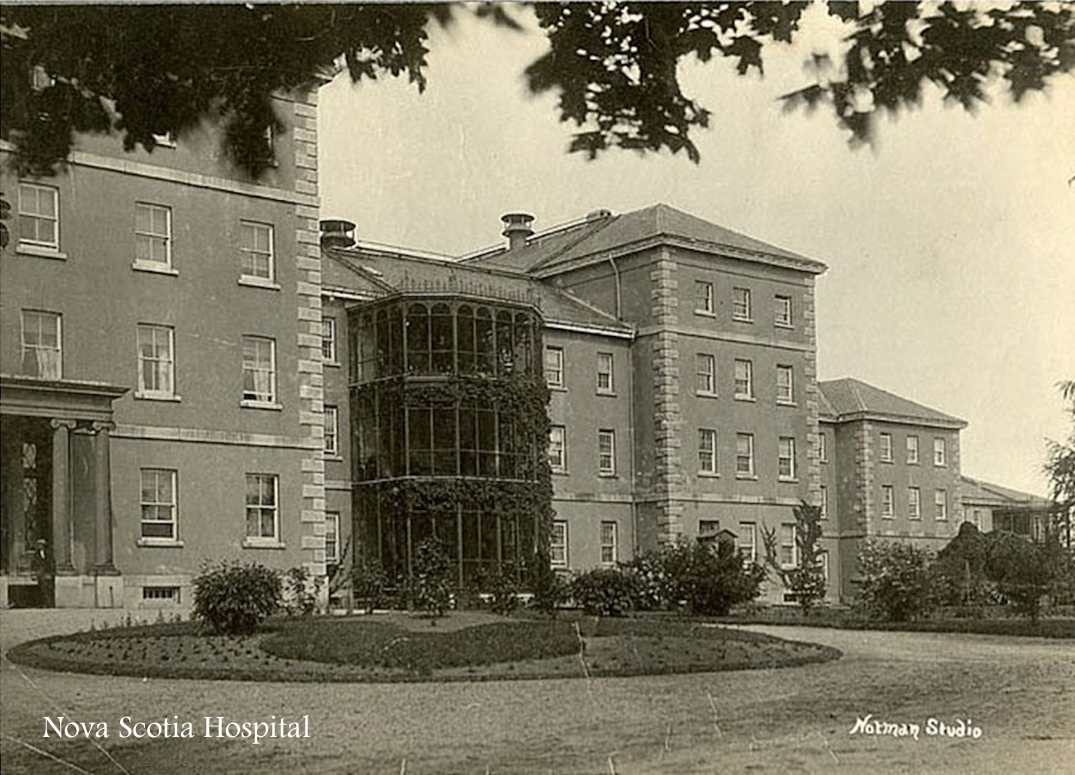

Name(s) of Institution:
Nova Scotia Hospital (1901)
Mount Hope Asylum (1856)
Opened:
1856
Location:
300 Pleasant Street, Dartmouth, NS B2Y 3S3
Period of Deinstitutionalization:
1960-1980
Patient Demographic:
Patients included adults, adolescents and children, both male and female. The hospital also received the province’s forensic and warrant patients.
| Patients in Hospital at Start of Year | Admitted During Year | Discharged During Year ** |
| YEAR | MEN | WOMEN | TOTAL | MEN | WOMEN | TOTAL | MEN | WOMEN | TOTAL |
| 1951* | 306 | 228 | 534 | 382 | 346 | 728 | 386 | 349 | 735 |
| 1952 | 302 | 225 | 527 | 293 | 280 | 573 | 312 | 305 | 617 |
| 1953 | 285 | 250 | 535 | 383 | 386 | 769 | 334 | 392 | 726 |
| 1954 | 334 | 244 | 578 | 397 | 405 | 802 | 451 | 412 | 863 |
| 1955 | 280 | 287 | 517 | 457 | 435 | 892 | 422 | 430 | 852 |
| 1956 | 315 | 242 | 557 | 541 | 527 | 1068 | 514 | 769 | 1625 |
| 1957 | 342 | 291 | 633 | 660 | 505 | 1165 | 642 | 493 | 1135 |
| 1958 | 352 | 315 | 667 | 358 | 549 | 1207 | 654 | 544 | 1198 |
| 1959*** | 356 | 320 | 676 | 646 | 572 | 1218 | 712 | 593 | 1305 |
| 1960 | 290 | 299 | 589 | 686 | 615 | 1301 | 692 | 589 | 1281 |
| 1961**** | |||||||||
| 1962 | 409 | 338 | 747 | 912 | 683 | 1595 | 904 | 696 | 1600 |
| 1963 | 417 | 325 | 742 | 966 | 774 | 1740 | 1014 | 781 | 1795 |
| 1964-72***** | |||||||||
| 1973 | 322 | 207 | 539 | 2445 | 1345 | 3788 | 2447 | 1351 | 3798 |
From 1974 onward, the annual reports do not consistently specify the sex of patients.
| YEAR | PATIENTS – JAN 1 | ADMITTED | DISCHARGED |
| 1974 | 511 | 3986 | 3994 |
| 1975 | 530 | 3931 | 3945 (including deaths) |
| 1976 | 2955 | ||
| 1977 | 2480 | ||
| 1978 | 2548 | ||
| 1979 | 2427 | ||
| 1980 | 2143 |
* During the business year 1950–1951, the year’s start and end dates were changed so that the year was sixteen months long. The hospital’s business year ended on March 31.
** Provincial records identify patients who died as “discharged” until the 1970s—subsequent to 1973 discharge statistics do not include deaths.
*** Starting 1960, the business year changed to January 1–December 31, so statistics for this period end December 31, 1960.
****unavailable
Deinstitutionalization:
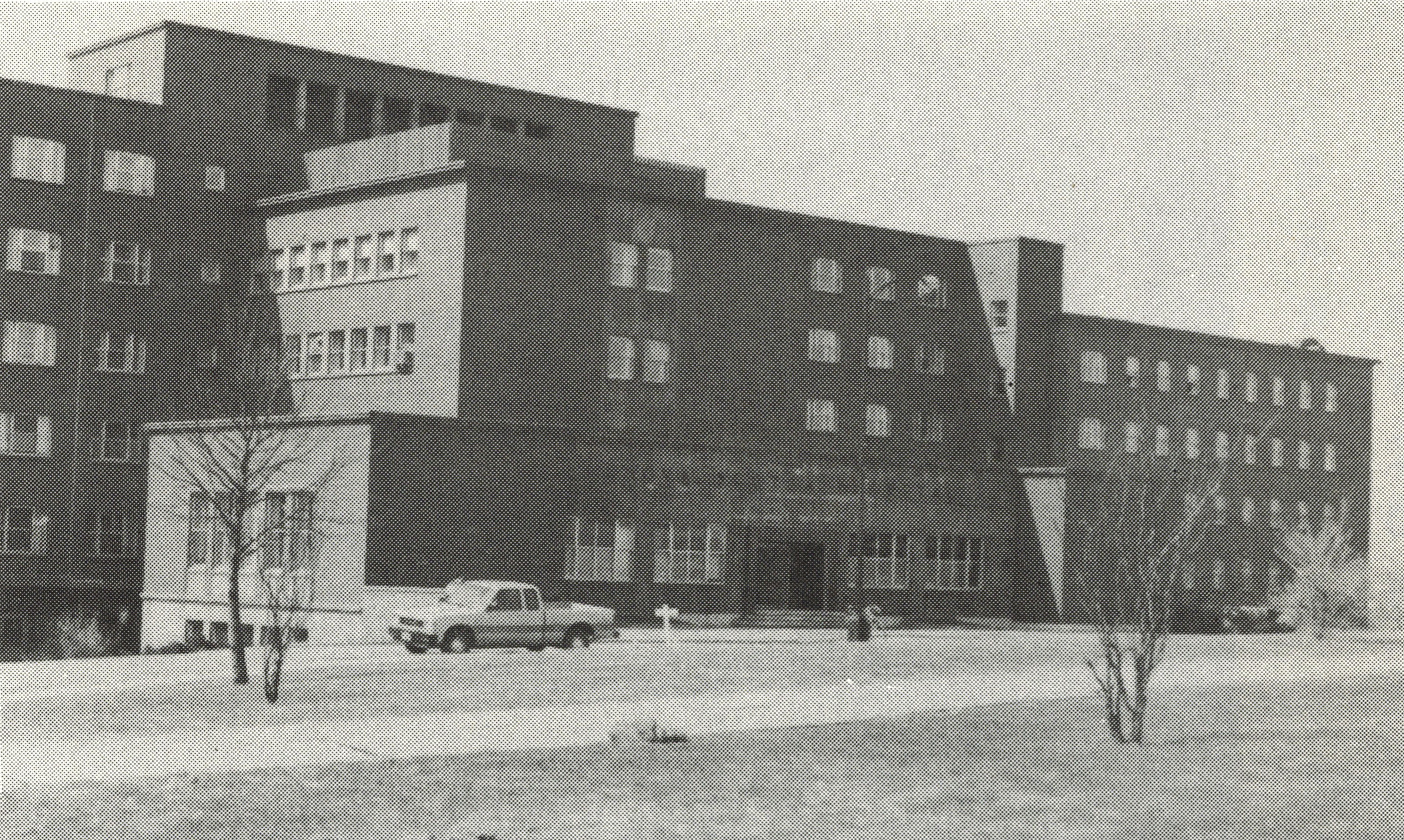
De-institutionalization began relatively late in Nova Scotia. As of 1970, both the total admissions and average number of daily residents continuing to grow. Patient population, indicated by total number of admissions (3,986) and total number under treatment (4,997) peaked in 1974.
The hospital’s Day Care program, which provided treatment to outpatients, began slowly in the late 1960s. In 1973, this program served 101 outpatients, with the number of new admissions declining until 1981, when it rose back up to 91. That year, the medical director reported a “trend toward an increased demand for community health services.” (Nova Scotia Hospital, Annual Report, 1981)
| YEAR | DAY CARE ADMISSIONS | PATIENT TREATMENT DAYS |
| 1973 | 101 | 2596 |
| 1974 | 89 | 4981 |
| 1975 | 85 | 4445 |
| 1976 | 80 | |
| 1977 | ||
| 1978 | 48 | 4896 |
| 1979 | 56 | 6868 |
| 1980 | 91 | 7128 |
Source: Nova Scotia Hospital, Annual Reports, 1973–1980.
By 1973, the average stay for in-patients had dropped to 52.9 days from an average of 60 the year before. In 1975, the average stay dropped to 46.7 days but climbed to 66 in 1976 before dropping again to 48 days in 1977. Despite the apparent increase in average time spent institutionalized, in 1978 the hospital reported that there was a general growth in outpatient treatment, including for group and individual therapy, home visits, and follow-ups. One key factor in the establishment of these outpatient programs was the relationship between the hospital and provincial public health nurses during this period.
| YEAR | TOTAL ADMITS | OUTPATIENT VISITS |
| 1978 | 2548 | 4790 |
| 1979 | 2427 | 4131 |
| 1980 | 2143 | 8902 |
Transinstitutionalization:
In the 1960s, there began a slow and at times sporadic move toward community-based care and services. In 1974, Unit N-4 was opened to serve as short-term and crisis intervention for adults. This coincided with an increase in the hospital’s Day Care outpatient group therapy, as well as in-home assessments and therapy and increased professional co-operation with the province’s public health nurses.
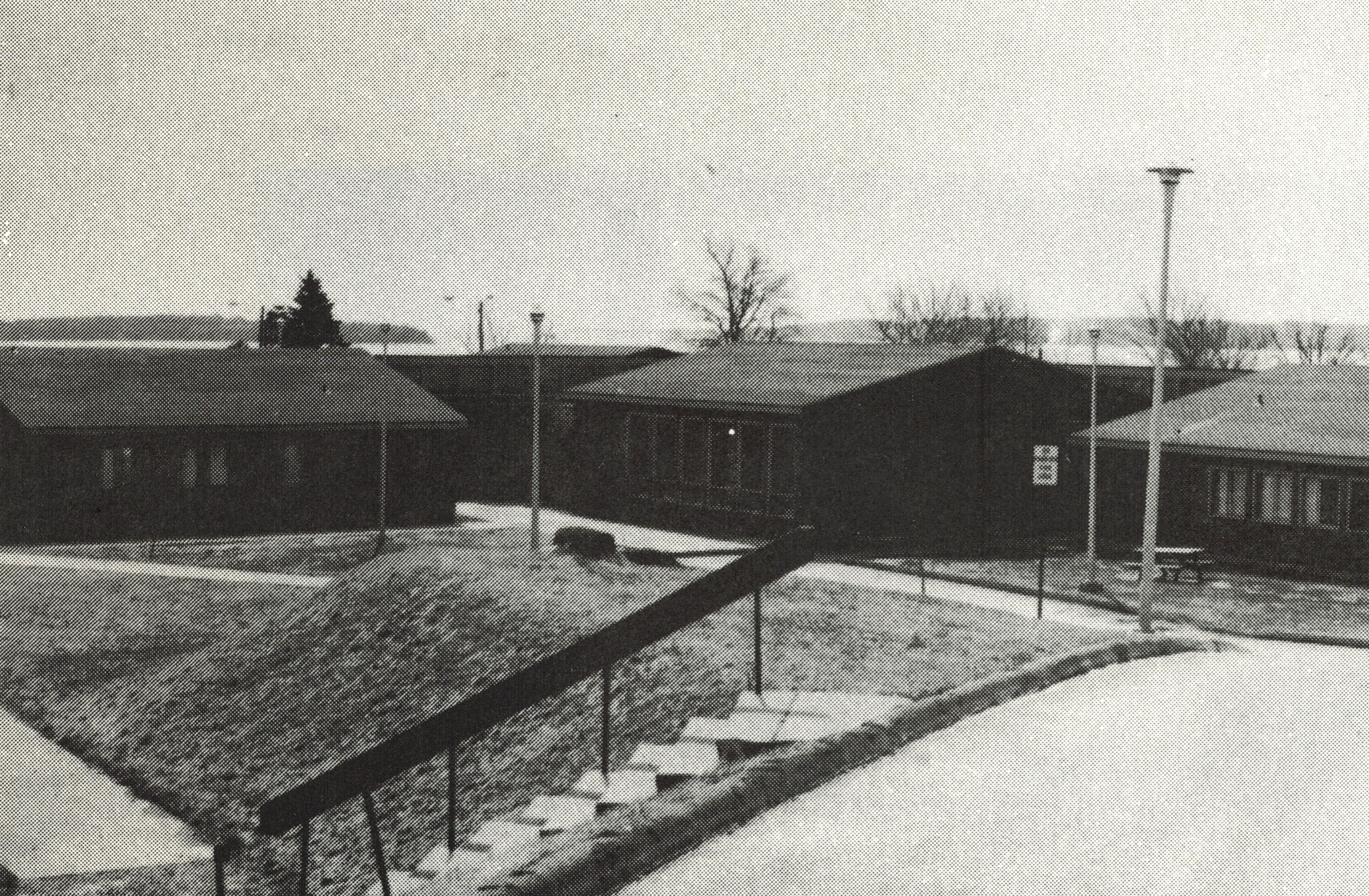
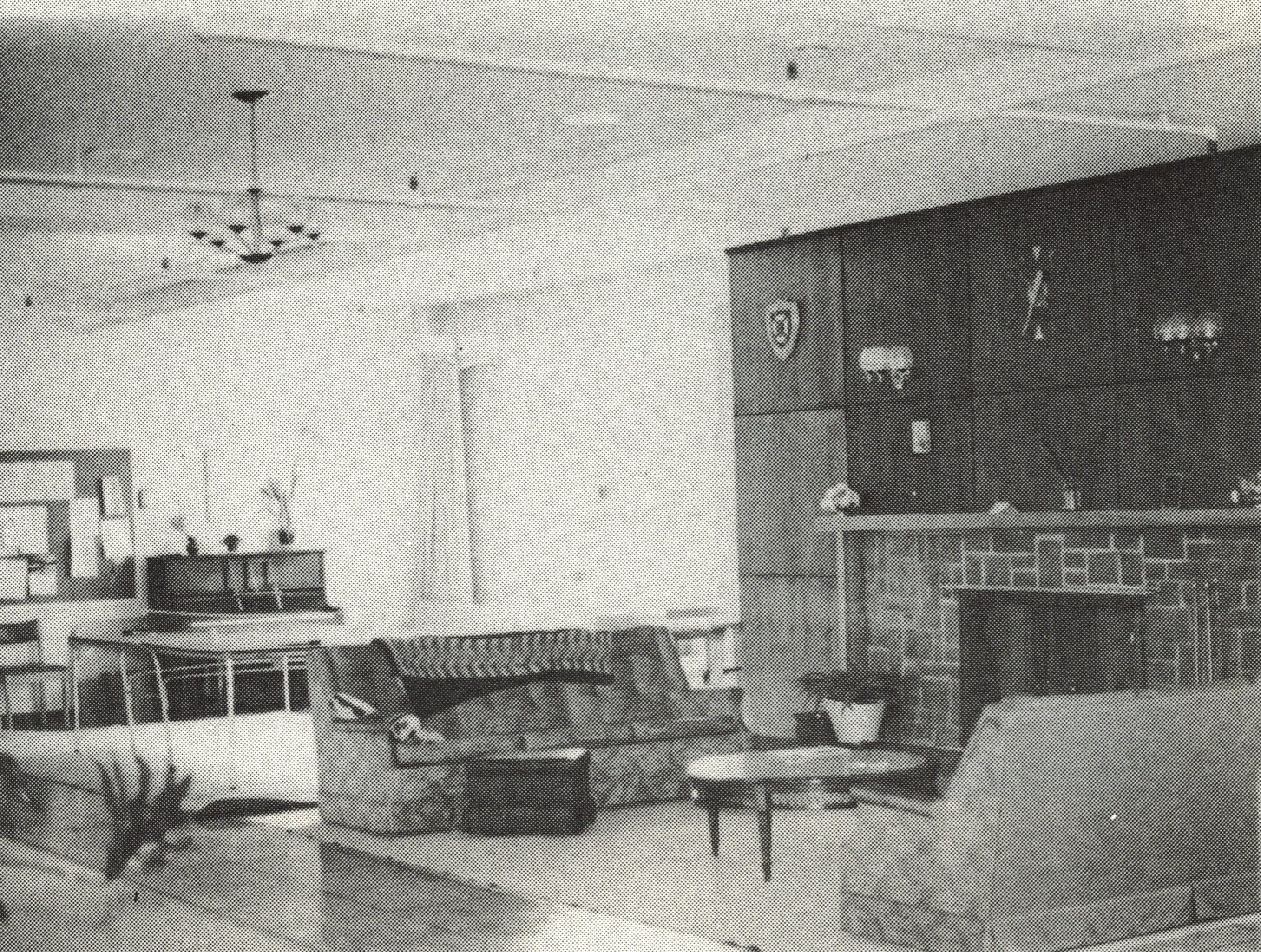
A surprising trend indicated in the annual reports is the transfer of patients to county institutions.
| YEAR | MOVED TO COUNTY INSTITUTION | MOVED FROM COUNTY INSTITUTION |
| 1959 | 195 | 46 |
| 1960 | 198 | 49 |
| 1962 | 191 | 32 |
| 1973 | 177 | 9 |
| 1974 | 180 | 10 |
Work Therapy into Occupational Therapy:
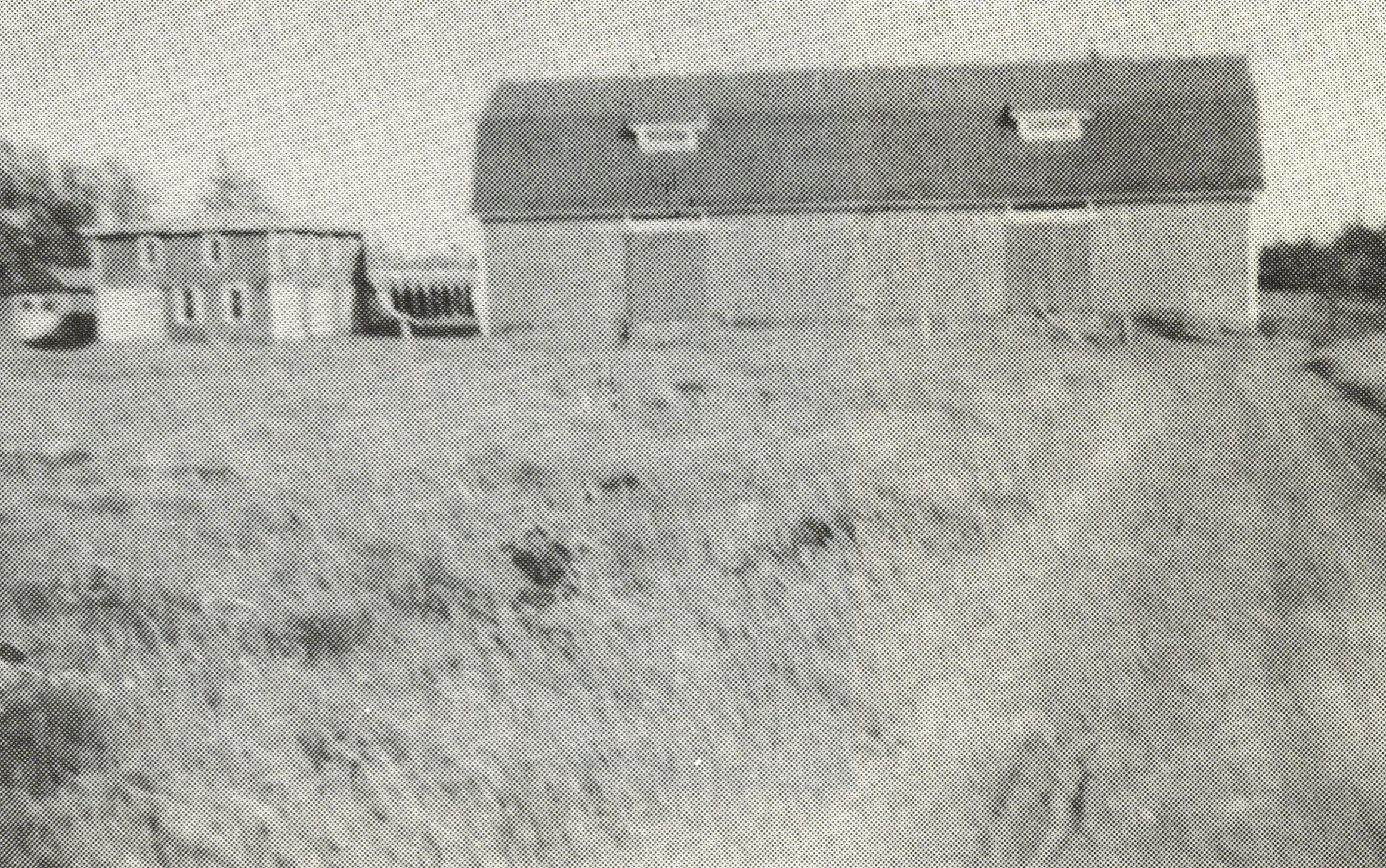
Supervised work therapy was present from the outset at Nova Scotia Hospital, beginning first with the institution’s farm and gradually including many basic chores within the hospital itself.
Occupational therapy was not recorded in the hospital’s annual reports until 1950, although it was established at least a decade earlier. In 1950, the department was first acknowledged under the category of “Patients’ Entertainment,” which included the weekly showing of “moving pictures.” By 1952, the department administered a growing library and provided a series of entertainment events throughout the year.
Also beginning that year, the Occupational Therapy department gave patients the option of learning crafts, including sewing, weaving, leatherwork, glove making, knitting, toy making, typing, knotting, crocheting, shell craft, sign painting, braiding, rug making, art, cork work, and simple woodwork. Male patients could also participate in work projects both inside and outside the institution. In 1959, female patients began to be placed in work positions throughout the institution, and the 1960 annual report noted that additional efforts were being made to find more positions for female patients.
In 1962, the Occupational Therapy department began a shift toward “industrial therapy.” Under this new program, the hospital claimed to have “utilized over one hundred placements for patients, using the hospital as an industry,” and anticipated the institution of a “token salary scale for working patients.” Although patients carried out much of the labour within the hospital, there was no discussion of paying them until 1962, when it was suggested as a future possibility but not actualized (Department of Public Health, Nova Scotia Hospital Report, 1962).
In 1974, the Occupational Therapy department merged with Volunteer Services and was renamed the Department of Motivational Therapy. Under the newly created department, 192 patients worked a total of 5,684 days over the course of the year in “work situations within the hospital.” In November of that year, an “experimental pay plan” rewarded patients financially for their work according to “time worked and functional level achieved” (Department of Public Health, Nova Scotia Hospital Report, 1974). The department reported that the provision of rewards allowed patients to “[appreciate] their improvement” as well as to recognize their areas of “unsatisfactory” performance. Administration stated that they “hoped that such a program may become part of our work rehabilitation service.” In 1974, $4,257.95 was “returned to the department from the sale of articles produced during treatment periods” (Nova Scotia Hospital, Annual Report, 1974).
| YEAR | PATIENT REFERRALS | PATIENTS ACCEPTED | DAYS WORKED | REVENUE |
| 1974 | 1220 | 192 | 5684 | $4257.95 |
| 1975 | ||||
| 1976 | 1063 | 236 | 5622 | |
| 1977 | 1081 | 201 | 5737 | |
| 1978 | 1126 | 229 | 5138 | $2820.45 |
| 1979 | 1057 | 3812 | $3968.03 |
In 1981, the Department of Motivational Therapy expanded beyond its entertainment and work-based programs to offer group meetings such as the “Adult and Adolescent Vocational Interest Group,” the “Sexual Awareness Group” for adolescents, “Formalized Community Living Skills Assessments,” and an outpatient “Pre-Vocational Training” program.
Patient into Person:
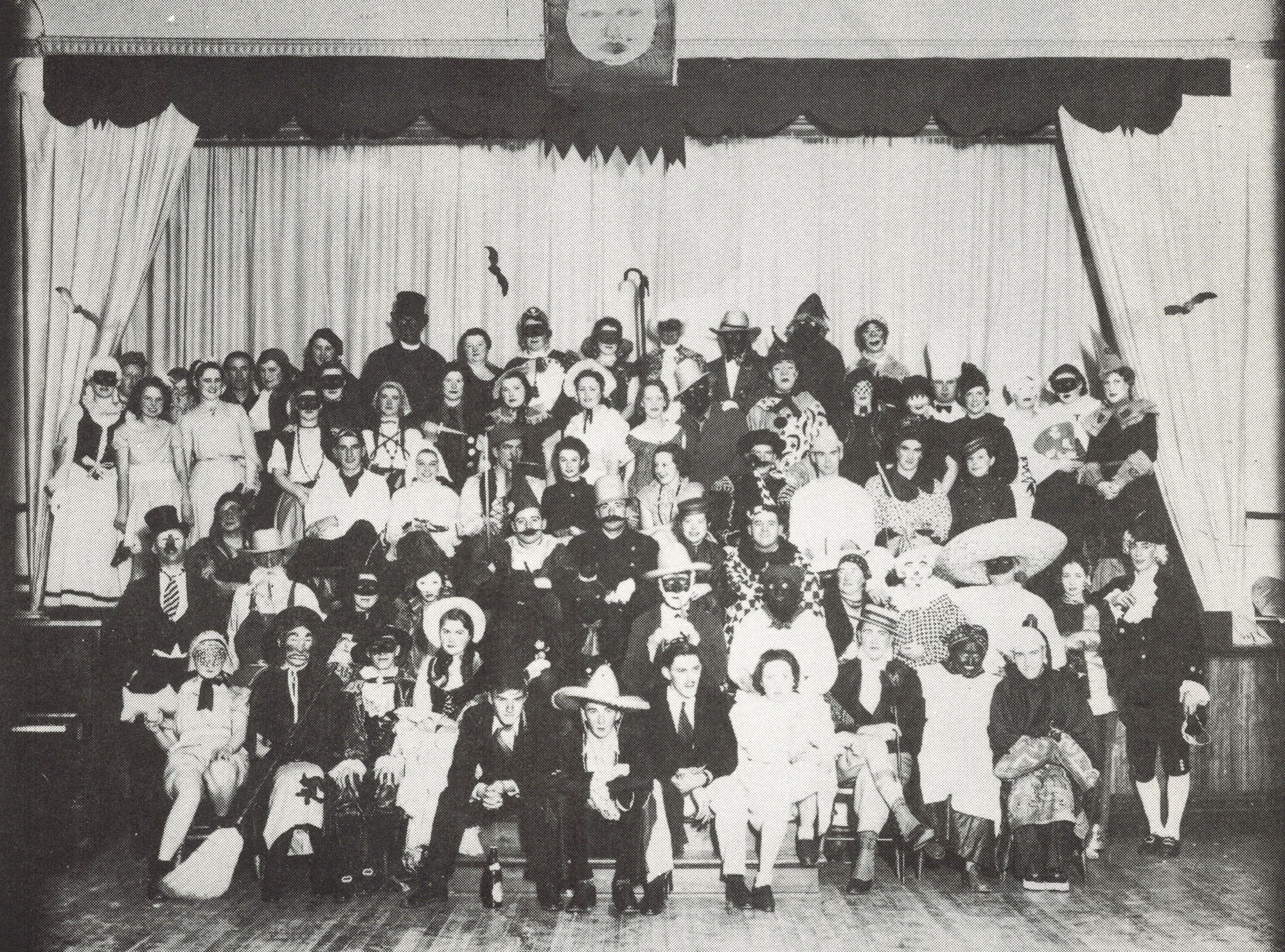
Occupational therapy played an important role in the transition of patients into people at the Nova Scotia Hospital. Patient privileges were gendered: male patients were permitted to attend the theatre, seasonal shows, and bus tours for many years before female patients were allowed to participate. In the 1950s, male patients attended the Mayfair Theatre, the Ice Cycles (an annual ice show at the Halifax Forum), and other extracurricular trips throughout the province.
Hierarchies of difference also existed within the larger male patient population. Demonstrating differences in freedom and responsibility, one group of male patients being given the opportunity to work unsupervised in areas such as the hospital store or kitchen.
In 1979 the provincial government passed the New Hospitals Act. This legislation was the first piece of provincial governance to put patients’ rights into Nova Scotia law. The new act introduced mandatory reviews of patients and also increased access to the appeals process.
Staffing in the Deinstitutionalization Era:
Staff at the Nova Scotia Hospital were structured hierarchically, with the superintendent having authority over the assistant superintendent as well as physicians, nurses, attendants and occupational therapists. As the hospital became increasingly populated over the first two-thirds of the twentieth century, the number of physicians, nurses, and superintendent as well as physicians, nurses, attendants and occupational therapists.
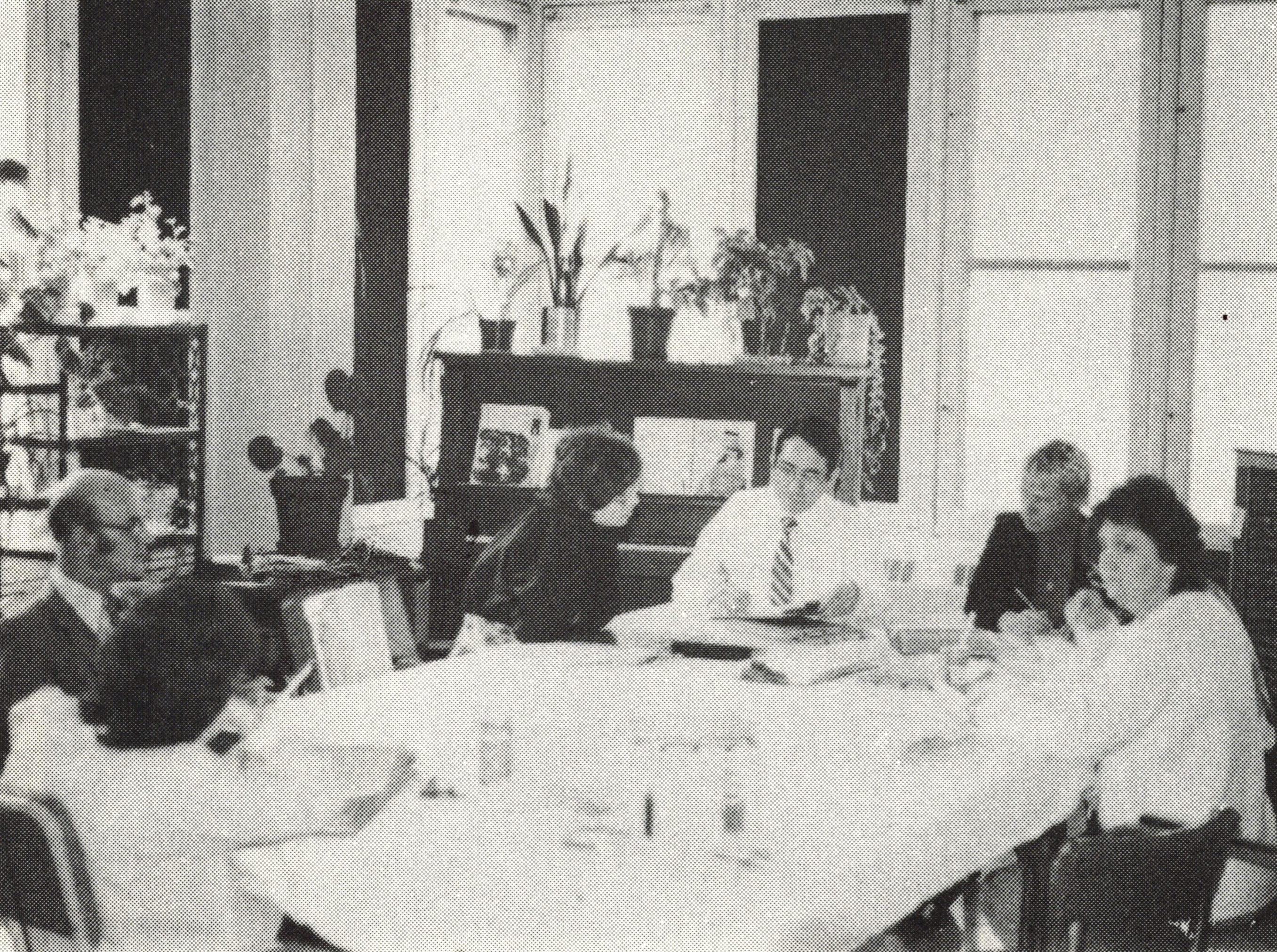
As the hospital became increasingly populated over the first two-thirds of the twentieth century, the number of physicians, nurses, and attendants increased correspondingly. Of constant concern was a shortage of occupational therapists. In 1958, the department reported that programs were being cut because of staff shortages. Counter to trends seen in residential mental health facilities in other parts of Canada in the late 1950s and early 1960s, the Occupational Therapy department at Nova Scotia Hospital appeared to have been in the process of being phased out as both its programs and employees were increasingly sent to positions in other departments. Throughout the 1960s, the department reported staff shortages and, for a significant portion of 1977, the position of Supervisor remained unfilled.
The adoption of the New Hospitals Act on April 1, 1979, affected referral and custody patterns, leading to increased demands on psychiatrists and physicians which, in turn, according to the annual report, threatened the amount of time spent directly treating patients. During this period, community mental health initiatives expanded and in-patients’ average length of stay at the hospital continued to decline.
Sources:
Department of Public Health. Nova Scotia Hospital Report. Murray MacKay Superintendent. Dartmouth: Department of Public Health. 1962, 1974–1979.
McNulty, Susan. Nova Scotia Hospital 125 Anniversary: Special Edition, 1858–1983. Dartmouth: Nova Scotia Hospital, 1983.
Nova Scotia Hospital. Annual Reports of the Nova Soctia Hospital. Halifax: Queen’s Printer. 1960, 1963, 1973–1981.